Ramyihu Tsirt Sart: A Handwritten Font for Makers
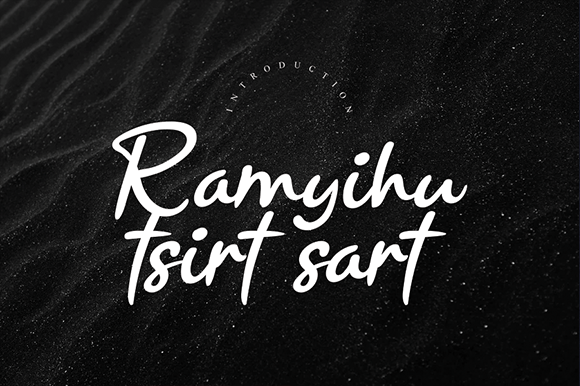
I was deep in the weeds of a late-night design session, trying to finalize the label for a new line of small-batch soy candles. The scent profile was delicate—lavender and vanilla—and my usual go-to typefaces felt either too rigid or too messy. That is when I loaded Ramyihu Tsirt Sart, a gorgeous and unique handwritten font designed to make your projects come alive. As a creator who values both aesthetic beauty and practical production, I needed something that whispered elegance without sacrificing legibility on a curved glass surface. This Script Handwritten style immediately caught my eye, offering a fluidity that felt organic rather than manufactured. In this review, I will walk you through how these Fonts perform in real-world crafting scenarios, from wedding stationery to boutique packaging.
Using Ramyihu Tsirt Sart for Wedding Invitations and Elegant Stationery
When working with Ramyihu Tsirt Sart, the first application that comes to mind is high-end stationery. Fall in love with its incredibly versatile style and use it to create stunning wedding invitations that feel personal and curated. I tested this typeface on a mockup for a rustic-chic wedding suite, pairing it with a clean, geometric sans serif for the body text. The contrast was striking. The sweeping curves of the script added a layer of sophistication that elevated the entire design, making the invitation feel like a keepsake rather than just information delivery. For invitation designers and printable creators, this font excels at handling names and dates, where the decorative swashes can shine without overcrowding the layout. It captures that elusive balance between formal tradition and modern, relaxed charm, which is exactly what many couples are seeking today.
Ramyihu Tsirt Sart for Product Labels and Boutique Packaging Design
Moving from paper to physical products, I applied Ramyihu Tsirt Sart to a series of product labels for handmade skincare items. In the world of small business branding, packaging is often the first touchpoint a customer has with your brand identity. This Script Handwritten font brings a human touch to mass-produced-looking containers. I found that it worked beautifully on matte black labels with gold foil accents, as well as on simple kraft paper tags. The key here is spacing; because the letters connect fluidly, giving them a bit of breathing room prevents the design from feeling cluttered. For candle makers, soap artisans, and boutique owners, using this font on primary labels can significantly enhance perceived quality. It suggests care and attention to detail, traits that customers are willing to pay a premium for. However, I would advise against using it for ingredient lists or technical instructions, as the decorative nature of the glyphs can reduce readability at very small sizes.
Creating Digital Downloads and Printable Wall Art with Ramyihu Tsirt Sart
Beyond physical goods, Ramyihu Tsirt Sart is a powerhouse for digital products. I incorporated it into a set of printable wall art quotes focused on mindfulness and home decor. The font’s natural rhythm makes it ideal for short phrases and inspirational sayings that need to stand out on a wall. When designing for printables, it is crucial to consider how the font renders on standard home printers versus professional services. In my tests, the lines remained crisp and clear, avoiding the pixelation that sometimes plagues thinner script fonts. This makes it a reliable choice for Etsy sellers offering instant downloads. Whether you are creating nursery decor, kitchen signs, or motivational posters, the emotional appeal of a handwritten style helps connect with the buyer on a personal level. It transforms simple text into art, encouraging customers to visualize the piece in their own spaces.
Readability and Best Practices for Cutting Machines and Merchandise
For those using Cricut or Silhouette machines, working with Ramyihu Tsirt Sart requires a mindful approach. While it is a stunning display font, complex ligatures and connected strokes can sometimes pose challenges during the weeding process if cut at very small scales. I recommend using this font for larger elements, such as tote bag designs, shirt graphics, or wooden sign decals, where the intricate details can be appreciated without becoming fragile. When preparing files for cutting, ensure that your software recognizes the font correctly and that all nodes are closed to prevent tearing. For merchandise like mugs and tumblers, the font’s versatility allows it to wrap nicely around curved surfaces, provided the text is not too dense. Always test a physical prototype before running a large batch to ensure the vinyl or heat transfer material holds the fine lines of the script effectively.
Pairing Ramyihu Tsirt Sart with Other Typefaces for Brand Consistency
To maximize the impact of Ramyihu Tsirt Sart, thoughtful font pairing is essential. Since this is a highly decorative Script Handwritten style, it pairs best with neutral, structured fonts. I have had great success combining it with modern sans serif fonts for a contemporary look, or classic serif fonts for a more traditional, editorial feel. Avoid pairing it with other scripts, as this can create visual competition and reduce overall readability. For brand identity, consistency is key; use Ramyihu Tsirt Sart for headlines, logos, and accent words, while relying on simpler typefaces for body copy and detailed information. This hierarchy guides the viewer’s eye and ensures that your message is communicated clearly. Before finalizing your commercial font licensing, check for included alternates and swashes, which can add variety to your designs without needing multiple typefaces. By understanding the strengths and limitations of these Fonts, you can create cohesive, professional-looking assets that resonate with your target audience.